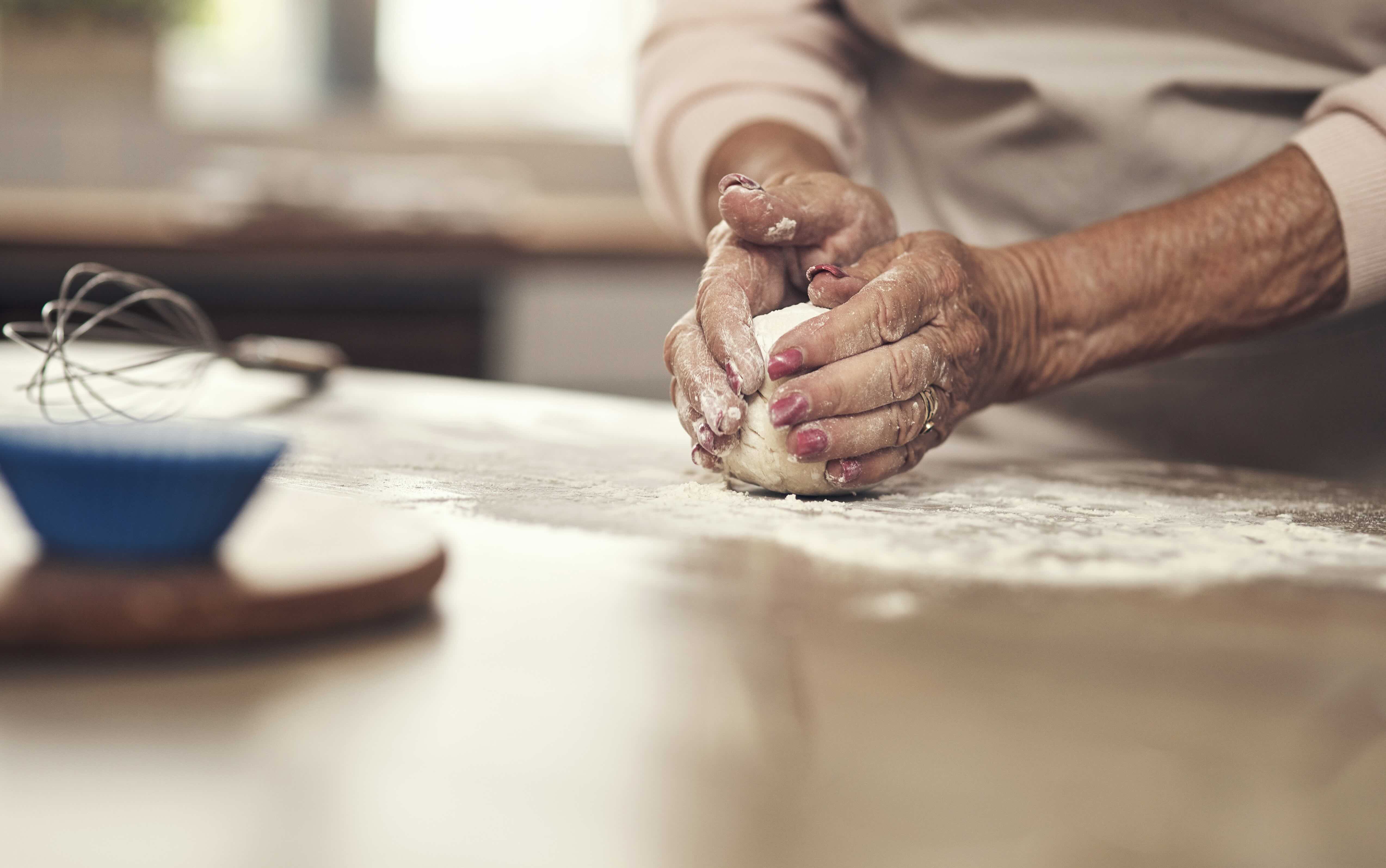
If you are researching cottage food law nj, you are likely looking for a legal way to sell homemade food products in New Jersey without renting a commercial kitchen. New Jersey allows certain low-risk foods to be produced from a home kitchen, but the state has specific licensing, labeling, and sales requirements that must be followed.
At a Glance
- Best for: Home bakers and small food producers in New Jersey
- License required: Yes — New Jersey Cottage Food Operator Permit, issued by NJDOH at the state level
- Sales cap: $50,000 gross annual sales (N.J.A.C. 8:24-11.2)
- Permit fee: $100, state-level (uniform, not set by local health departments)
- Permit term: 2 years; renewal must be filed ≥45 days before expiration
- Where you can sell: Direct-to-consumer within New Jersey
- Shipping: In-state only
- Home inspections: Not required — N.J.A.C. 8:24-11.2 explicitly exempts permit holders from initial or periodic inspection
Overview: How New Jersey Cottage Food Law Works
New Jersey’s cottage food law allows individuals to prepare and sell approved shelf-stable foods from a residential kitchen. The program is administered by the New Jersey Department of Health (NJDOH) Public Health and Food Protection Program at the state level. Operators apply to NJDOH for the Cottage Food Operator Permit; local health departments do not issue this permit, though local zoning and business-registration rules still apply.
The law is designed to support small-scale food entrepreneurs while maintaining food safety standards. Compared to some states, New Jersey’s program is more regulated, making careful compliance essential.
Step-by-Step: How to Operate Under Cottage Food Law in New Jersey
1. Confirm Your Products Are Allowed
Only non-potentially hazardous foods may be sold under New Jersey cottage food law. Commonly approved foods include:
- Breads, cookies, brownies, and cakes without cream fillings
- Candies and chocolate confections
- Jams and jellies that meet acidity requirements
- Dry mixes, spices, and seasoning blends
- Granola, popcorn, and roasted nuts
Foods requiring refrigeration, meat products, dairy-based items, and acidified or canned foods are not allowed.
2. Obtain a New Jersey Cottage Food Operator Permit (NJDOH state-level)
Apply directly to the New Jersey Department of Health — not your local health department. Requirements:
- Complete application form CFO-1
- Pay the $100 permit fee to the Treasurer, State of New Jersey
- Provide producer information, allowed-food list, and label sample
- Permit is valid for 2 years; renew ≥45 days before expiration
3. Complete Food Safety Training
Food safety training is mandatory. Operators must complete an approved food protection course to demonstrate understanding of safe food handling and sanitation practices.
4. No Routine Kitchen Inspection
N.J.A.C. 8:24-11.2 explicitly states that the permit authorizes production "without being subject to initial or periodic inspection by a health authority." Operators are still legally responsible for safe food handling, well-water testing if applicable, and accurate labeling.
5. Follow New Jersey Labeling Requirements
Each product must include a compliant label containing:
- Name of the cottage food business
- Business address or municipality and ZIP code
- Product name
- Complete ingredient list in descending weight order
- Allergen disclosures
- Net weight or volume
- Required statement (on product label AND on placards at any non-residence point of sale): "This food is prepared pursuant to N.J.A.C. 8:24-11 in a home kitchen that has not been inspected by the Department of Health."
6. Sell Only Through Approved Channels
Sales must be direct-to-consumer. Allowed methods include:
- In-person sales
- Farmers markets and community events
- Online orders with in-state delivery or pickup
Wholesale sales and interstate shipping are not permitted.
Legal and Food-Safety Considerations
Cottage food operators in New Jersey are legally responsible for producing safe food. This includes preventing cross-contamination, maintaining clean preparation areas, controlling allergens, and following all labeling rules. Violations may result in permit suspension or fines.
Common Mistakes
- Selling foods that require refrigeration
- Operating without a valid permit
- Using incomplete or incorrect labels
- Selling outside New Jersey
- Exceeding the annual sales limit
People Also Ask
Do you need a license for cottage food in New Jersey?
Yes. New Jersey requires a Cottage Food Operator Permit issued at the state level by the NJ Department of Health (NJDOH), not by local health departments. Fee: $100. Term: 2 years.
Can you sell cottage food online in New Jersey?
Yes. Online orders are allowed as long as sales are direct-to-consumer and delivery or pickup occurs within New Jersey.
What foods are prohibited under New Jersey cottage food law?
Foods that require refrigeration, meat products, dairy-based desserts, and acidified or canned foods are prohibited.
Is there a sales limit for cottage food businesses in New Jersey?
Yes. N.J.A.C. 8:24-11.2 sets the cap at $50,000 gross annual sales (before deductions for taxes or operating expenses).
External Resources
Internal Links
Final Thoughts
New Jersey’s cottage food law provides a regulated but accessible path for selling homemade food legally. By obtaining the proper permit, selling only approved foods, and following labeling and sales rules, you can build a compliant home-based food business in New Jersey.