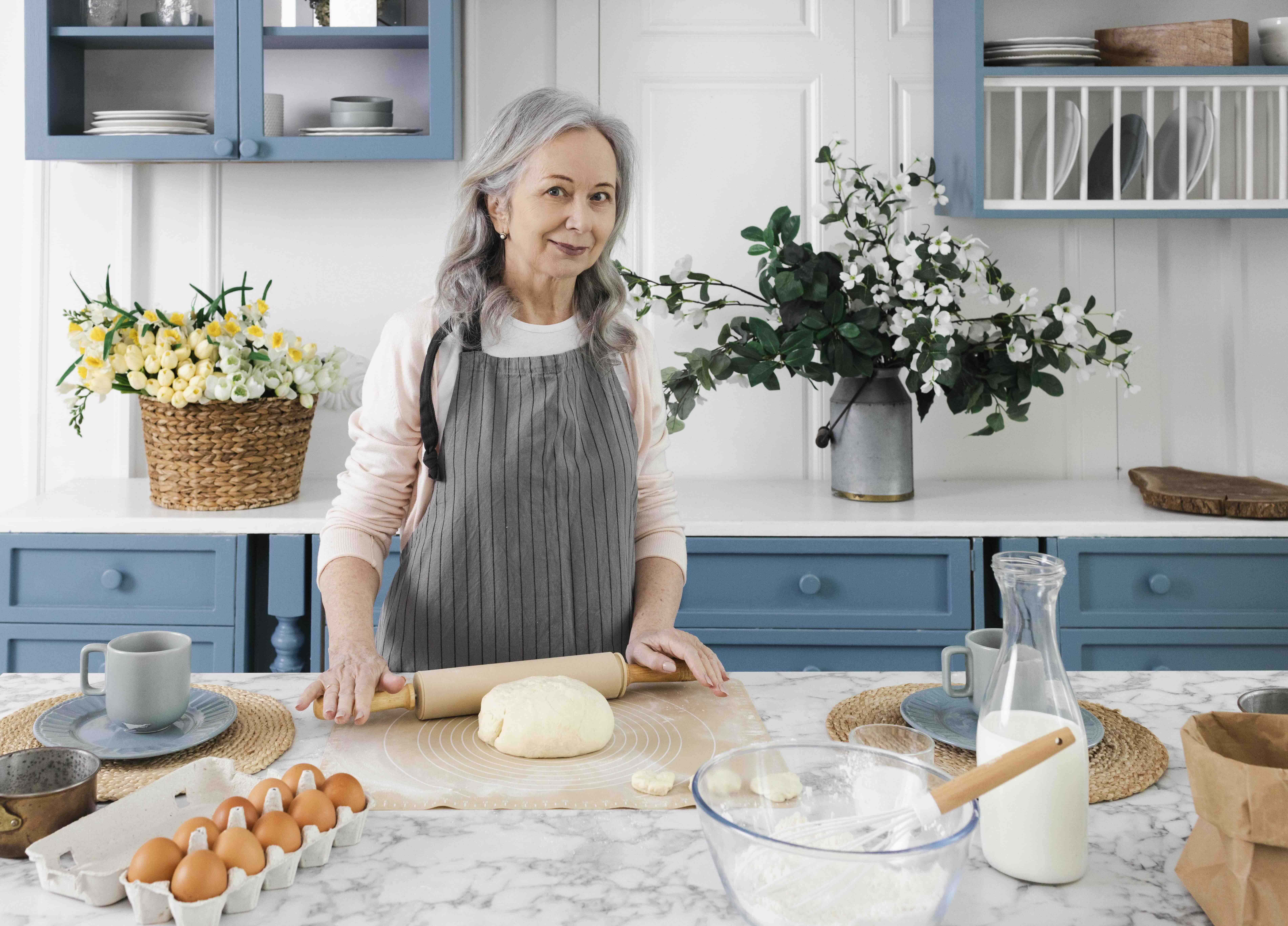
If you are researching cottage food laws by state requirements getting started 2026, you are likely trying to understand how different states regulate home-based food businesses. While cottage food laws exist nationwide, requirements vary significantly depending on where you live, making state-specific compliance essential.
At a Glance
- Best for: Home bakers and small food producers across the U.S.
- State oversight: Required in all states
- License or registration: Varies by state
- Sales limits: Set individually by each state
- Allowed foods: Typically shelf-stable only
- Interstate sales: Generally prohibited
Overview: How Cottage Food Laws Work Across States
Cottage food laws allow individuals to produce and sell certain low-risk foods from a home kitchen without operating a full commercial food facility. While all U.S. states have some form of cottage food regulation, each state sets its own rules regarding licensing, sales caps, labeling, inspections, and approved foods.
This patchwork system means that getting started requires understanding not only general cottage food principles but also the exact requirements in your state.
Step-by-Step: Getting Started With Cottage Food Laws by State
1. Identify Your State’s Cottage Food Program
Every state administers its cottage food law through a department of agriculture, health department, or similar agency. The first step is identifying which authority oversees cottage food operations in your state.
2. Review Allowed and Prohibited Foods
Most states allow only non-potentially hazardous foods. Commonly approved items include:
- Breads, cookies, and cakes without perishable fillings
- Candies and chocolates
- Jams and jellies made from approved recipes
- Dry mixes, spices, and cereals
Foods requiring refrigeration, such as meat, dairy, or cream-based products, are usually prohibited.
3. Determine Licensing or Registration Requirements
Some states require a license, others require registration, and a few require neither. Requirements may include:
- Submitting an application
- Paying a fee
- Completing food safety training
4. Understand Labeling Rules
All states require specific labeling for cottage food products. Labels typically must include:
- Business name and location
- Product name
- Ingredient list and allergen disclosures
- Net weight or volume
- A statement indicating the food was made in a home kitchen
5. Learn Sales Channels and Limits
States restrict how and where cottage foods can be sold. Common rules include:
- Direct-to-consumer sales only
- In-state sales only
- Annual gross sales caps
Legal and Food-Safety Considerations
Even when inspections are not required, cottage food operators are legally responsible for food safety. Failure to comply with state rules can result in fines, suspension, or mandatory closure. Laws may change annually, making it important to review updates regularly.
Common Mistakes
- Assuming cottage food laws are the same in every state
- Selling prohibited or perishable foods
- Missing required label statements
- Exceeding state sales limits
- Selling across state lines
People Also Ask
Do all states have cottage food laws?
Yes. All U.S. states have some form of cottage food regulation, though requirements vary widely.
Do you need a license for cottage food in every state?
No. Some states require a license, others require registration, and some allow operation without formal approval.
Can cottage food be sold online?
Many states allow online sales, but delivery or pickup usually must occur within the same state.
Why do cottage food laws differ by state?
Food regulation is largely handled at the state level, allowing each state to set its own public health standards.
External Resources
Internal Links
Final Thoughts
Understanding cottage food laws by state in 2026 is essential for anyone starting a home-based food business. By researching your state’s requirements, following labeling and sales rules, and staying within legal limits, you can confidently and legally get started.