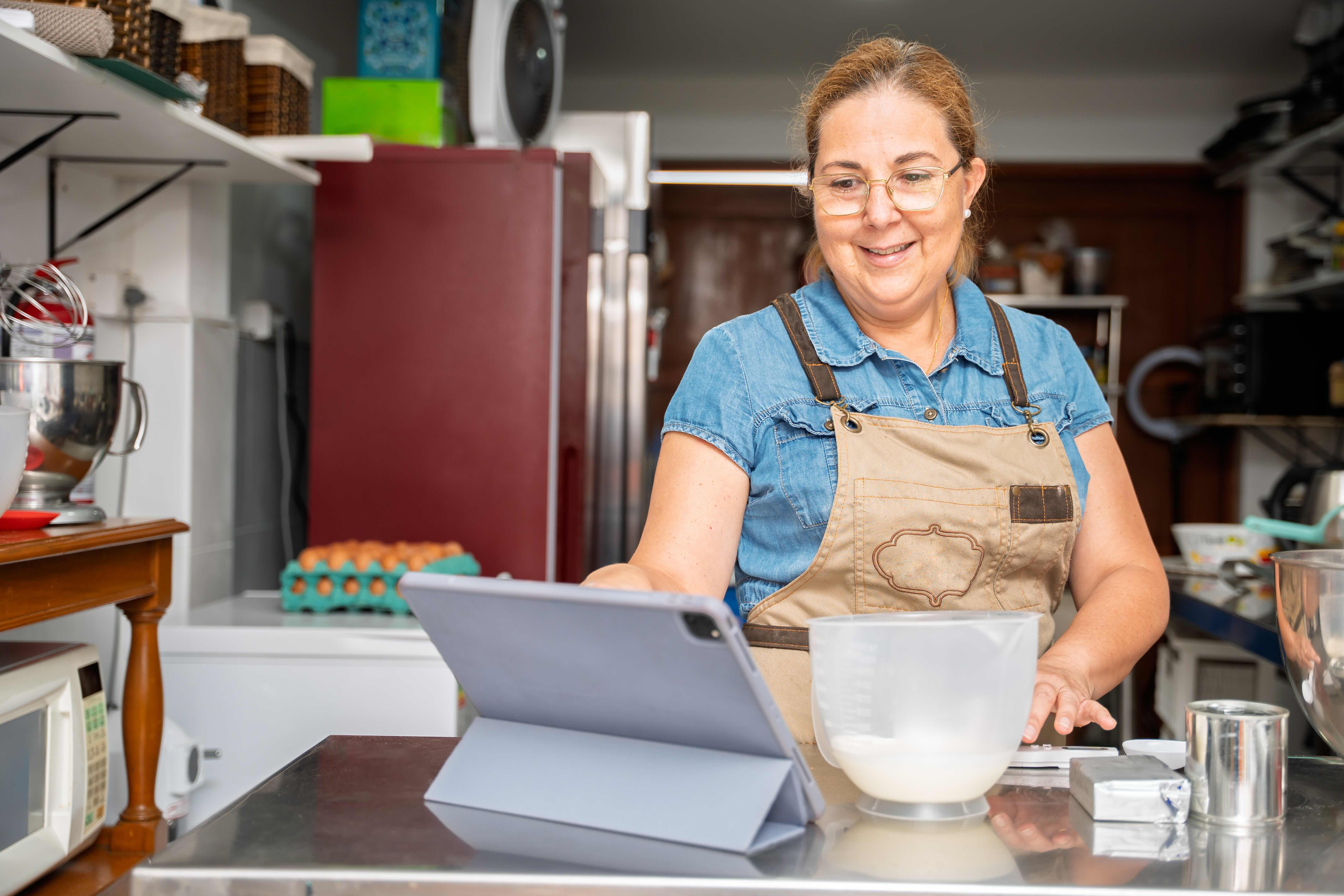
If you are researching Kentucky cottage food laws, you are likely looking for clear guidance on how to legally sell homemade foods from your home kitchen. Kentucky operates two distinct home-based programs under KRS Chapter 217, both administered by the Kentucky Cabinet for Health and Family Services, Department for Public Health, Food Safety Branch — not the Kentucky Department of Agriculture.
At a Glance
- Governing statutes: KRS 217.136 (Home-Based Processor) and KRS 217.137 (Home-Based Microprocessor); regulation 902 KAR 45:090 (HBM)
- Regulating agency: Cabinet for Health and Family Services, Food Safety Branch — not the Kentucky Department of Agriculture
- Registration: Required for HBP ($50/year via form DFS-250); additional workshop + recipe approval for HBM
- Sales cap: $60,000 gross annual sales (both programs)
- Where you can sell: Direct-to-consumer within Kentucky (HBP); HBM further restricted
- Shipping: Mail/common-carrier shipping not authorized; in-state pickup or personal delivery only
- Kitchen inspection: Not required under HBP
Overview: Kentucky's Two Home-Based Food Programs
Kentucky does not have a single "cottage food law." It has two parallel programs, both under Department for Public Health oversight:
Home-Based Processor (HBP) — KRS 217.136
The broader program for individuals producing non-potentially-hazardous foods (baked goods, jams, candies, dried items). Registration is mandatory and has been since January 1, 2020. Complete form DFS-250, pay the $50 annual fee, and submit to the Food Safety Branch. No food safety workshop is required. No routine kitchen inspection is conducted.
Home-Based Microprocessor (HBM) — KRS 217.137 / 902 KAR 45:090
A separate, more restrictive program for farmers (the processor must grow the predominant ingredient). HBM permits additional categories such as acidified foods, low-acid canned goods, low-sugar/no-sugar jams and jellies, and pepper jellies. HBM requires a University of Kentucky workshop ($50), recipe approval by UK ($5 per recipe, limited to Ball Blue Book, Ball Complete Book of Home Preserving, All New Ball Book, and UGA "So Easy to Preserve"), approved water-source verification, and a $50 annual certification.
Step-by-Step: Starting an HBP in Kentucky
1. Confirm Your Foods Qualify
HBP allows only non-potentially-hazardous, shelf-stable foods. Commonly allowed:
- Breads, cookies, cakes, muffins, brownies
- Fruit jams, jellies, preserves
- Candy and confections
- Granola, snack mixes, roasted nuts
- Dry mixes, spices, seasoning blends
- High-acid, non-refrigerated fruit pies
Foods requiring refrigeration (cream-filled pastries, cheesecakes, dairy-based items, meat products, low-acid canned goods) are prohibited under HBP. Acidified and low-acid canned items may be allowed under HBM only.
2. Register as a Home-Based Processor
Submit form DFS-250 and the $50 annual fee to the Kentucky Food Safety Branch at 275 E. Main St. HS1CF, Frankfort, KY 40621. No kitchen inspection is required; the Food Safety Branch may inspect in response to complaints.
3. Follow Kentucky's Exact Labeling Rule
Each product must carry a label with, in 10-point type minimum:
- Processor's name and complete address
- Common or usual product name
- Ingredients in descending order of predominance by weight
- Net weight or volume
- Date processed
- Allergen disclosure (aligns with FDA FALCPA)
- The required statement: "This product is home-produced and processed."
Note: the full statutory phrase is "This product is home-produced and processed." Omitting "and processed" is a common mistake that does not satisfy KRS 217.136(3).
4. Sell Only Through Approved Direct Channels
HBP sales channels include:
- From the processor's home (pickup)
- Farmers markets (farmers market sales may require a county sales-tax permit)
- Community events, fairs, roadside stands
- Online orders, fulfilled by in-state pickup or personal delivery only
Mail/common-carrier shipping is not authorized under KRS 217.136. Sales to restaurants, grocery stores, wholesale distributors, or retail outlets for resale are prohibited.
5. Stay Within the $60,000 Cap
Combined HBP and HBM activity must stay at or below $60,000 gross annual sales. Above that threshold, you must transition to a licensed commercial kitchen.
Home-Based Microprocessor (HBM) — additional rules for farmers
- Must be a farmer and grow the predominant ingredient in the product
- Complete the University of Kentucky HBM workshop (~$50)
- Submit each recipe for UK approval ($5 per recipe; limited to the four reference cookbooks listed above)
- Provide water-source verification
- $50 annual certification fee
- Sales venues further restricted to: the processor's farm, a Kentucky-registered farmers' market, or a certified roadside stand
Legal and Food-Safety Considerations
HBP and HBM operators remain legally responsible for food safety. Mislabeling, selling prohibited foods, or causing foodborne illness may trigger enforcement by the Food Safety Branch, including registration/certification revocation.
Common Mistakes
- Naming the wrong agency — it is the Cabinet for Health and Family Services, not the Department of Agriculture
- Shipping via USPS/UPS — not authorized, even in-state
- Writing "This product is home-produced" on the label and omitting "and processed"
- Selling to stores or restaurants
- Exceeding the $60,000 combined annual cap
People Also Ask
Which agency regulates Kentucky cottage food?
The Kentucky Cabinet for Health and Family Services, Department for Public Health, Food Safety Branch. The Kentucky Department of Agriculture is not the regulating agency for home-based food production.
Do I need to register?
Yes. The Home-Based Processor program requires registration via form DFS-250 with a $50 annual fee. The Home-Based Microprocessor program additionally requires a UK workshop, recipe approval, and water-source verification.
Can I ship my products?
No. KRS 217.136 does not authorize mail or common-carrier shipping. Online orders must be fulfilled by in-state pickup or personal delivery to Kentucky residents.
What is the sales cap?
$60,000 gross annual sales for both HBP and HBM combined.
Can I sell to restaurants or retail stores?
No. Both programs restrict sales to direct-to-consumer channels. HBM is further restricted to the processor's farm, KY-registered farmers' markets, and certified roadside stands.
External Resources
- KY CHFS — Home-Based Processing (official)
- DFS-250 Home-Based Processor registration form
- KRS Chapter 217 — statute lookup
- 902 KAR 45:090 (HBM regulation)
- UK Cooperative Extension — HBP/HBM workshops
Internal Links
Final Thoughts
Kentucky cottage food law offers a workable path for home-based food entrepreneurs — but only with accurate knowledge of the rules. Register as a Home-Based Processor with the Food Safety Branch, stay within the $60,000 cap, use the exact statutory disclaimer, and restrict sales to approved direct channels. Always confirm current rules against KRS 217.136 and the Food Safety Branch guidance before publishing labels or menus.