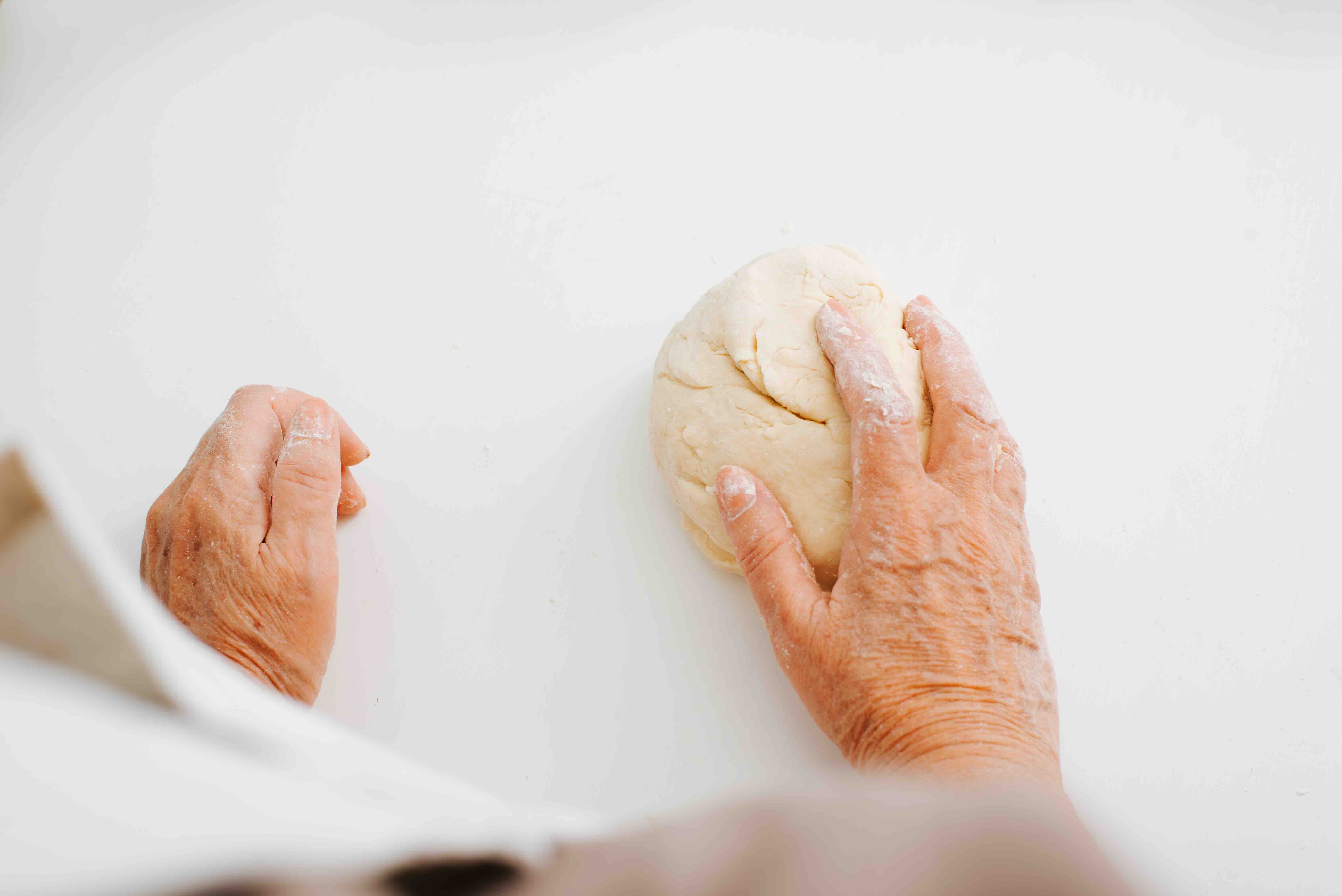
If you are researching oklahoma cottage laws 2026, you are likely looking for clear, up-to-date guidance on how to legally sell homemade food in Oklahoma. Oklahoma has one of the more flexible cottage food programs in the U.S., allowing home producers to sell approved foods directly to consumers with fewer regulatory barriers than many other states.
At a Glance
- Best for: Home bakers and small food producers in Oklahoma
- License required: No state-issued cottage food license
- Sales cap: $75,000 gross annual sales per home food establishment (63 O.S. § 1-1119)
- Where you can sell: Direct-to-consumer within Oklahoma
- Shipping: In-state only
- Home inspections: Not required
Overview: How Oklahoma Cottage Laws Work
Oklahoma cottage laws allow individuals to prepare and sell certain homemade foods from a residential kitchen without obtaining a state food establishment license. The program is governed by the Homemade Food Freedom Act (HB 1032, 2021; codified at 63 O.S. § 1-1119). The primary regulating agency is the Oklahoma Department of Agriculture, Food and Forestry (ODAFF); the Oklahoma State Department of Health is explicitly exempted from licensing and inspecting cottage food operations under the Act.
The law is designed to encourage small-scale entrepreneurship while limiting risk by restricting sales to shelf-stable, non-potentially hazardous foods. Producers must follow food safety and labeling rules, even though inspections and licenses are not required.
Step-by-Step: How to Operate Under Oklahoma Cottage Laws
1. Confirm Your Foods Are Allowed
Oklahoma permits the sale of shelf-stable foods that do not require refrigeration for safety. Commonly allowed foods include:
- Breads, cookies, brownies, and cakes without cream fillings
- Candies and chocolate confections
- Jams, jellies, and fruit preserves
- Dry mixes, spices, and seasoning blends
- Granola, popcorn, and roasted nuts
Foods that require refrigeration, meat products, dairy-based items, and acidified or canned foods are not allowed.
2. Understand That No State License Is Required (and the Optional ODAFF Registration)
Under the Homemade Food Freedom Act, producers are not required to obtain a food establishment license or cottage food permit. HB 2975 (2024) added an optional $15/year ODAFF registration that lets operators use an ODAFF-issued identifier on labels in place of their home address and phone — useful for privacy. Registration is not a license; sellers must still comply with all applicable laws.
3. Follow Required Labeling Rules
Every cottage food product sold in Oklahoma must include a label with:
- Name of the producer
- City and ZIP code of the production location
- Product name
- Full ingredient list in descending weight order
- Major allergen disclosures
- Net weight or volume
- Statement (10-pt min, contrasting): "This product was produced in a private residence that is exempt from government licensing and inspection. This product may contain allergens."
4. Sell Through Approved Channels
The Homemade Food Freedom Act defines direct-to-consumer broadly. Allowed channels include:
- In-person sales from the producer's home
- Farmers markets and roadside stands (farmers market sales require an Oklahoma sales-tax permit)
- Online orders with in-state pickup or delivery; in-state shipping allowed for non-perishable items
- Third-party retail placement for non-perishable (NTTCS) items via vendors that display a required placard
Prohibited: wholesale sales, interstate shipping, and shipping of TCS (time/temperature-control-for-safety) items — TCS foods must be delivered in person and require ANAB-accredited food handler training.
5. Practice Safe Food Handling
Even without inspections, producers are responsible for maintaining safe food handling practices, including clean preparation areas, proper storage, and allergen awareness.
Legal and Food-Safety Considerations
Oklahoma cottage food operators are legally responsible for the safety of the food they sell. Mislabeling, selling prohibited foods, or causing foodborne illness may result in enforcement actions by health authorities. Producers should maintain basic sanitation standards and accurate records.
Common Mistakes
- Selling foods that require refrigeration
- Failing to include the required home kitchen disclosure on labels
- Selling across state lines
- Assuming all homemade foods qualify
- Ignoring local zoning or business registration rules
People Also Ask
Do you need a license for cottage food in Oklahoma?
No. Oklahoma does not require a state-issued cottage food license for approved home-produced foods.
Can you sell cottage food online in Oklahoma?
Yes. Online orders are allowed as long as sales are direct-to-consumer and delivery or pickup occurs within Oklahoma.
Is there a sales limit under Oklahoma cottage laws?
Yes. The Homemade Food Freedom Act caps cottage food sales at $75,000 gross annual sales per home food establishment (63 O.S. § 1-1119). Above that threshold, operators must obtain OSDH licensing.
What foods are not allowed under Oklahoma cottage laws?
Foods requiring refrigeration, meat products, dairy-based foods, and acidified or canned foods are prohibited.
External Resources
- Oklahoma Department of Agriculture, Food and Forestry (ODAFF) — primary regulator
- HB 1032 (2021) — Homemade Food Freedom Act
- HB 2975 (2024) — label-privacy registration
- FDA Food Safety Information
Internal Links
Final Thoughts
Oklahoma cottage laws for 2026 continue to provide one of the most accessible paths for selling homemade food legally. By sticking to approved foods, labeling products correctly, and selling only within Oklahoma, home producers can operate confidently and compliantly.