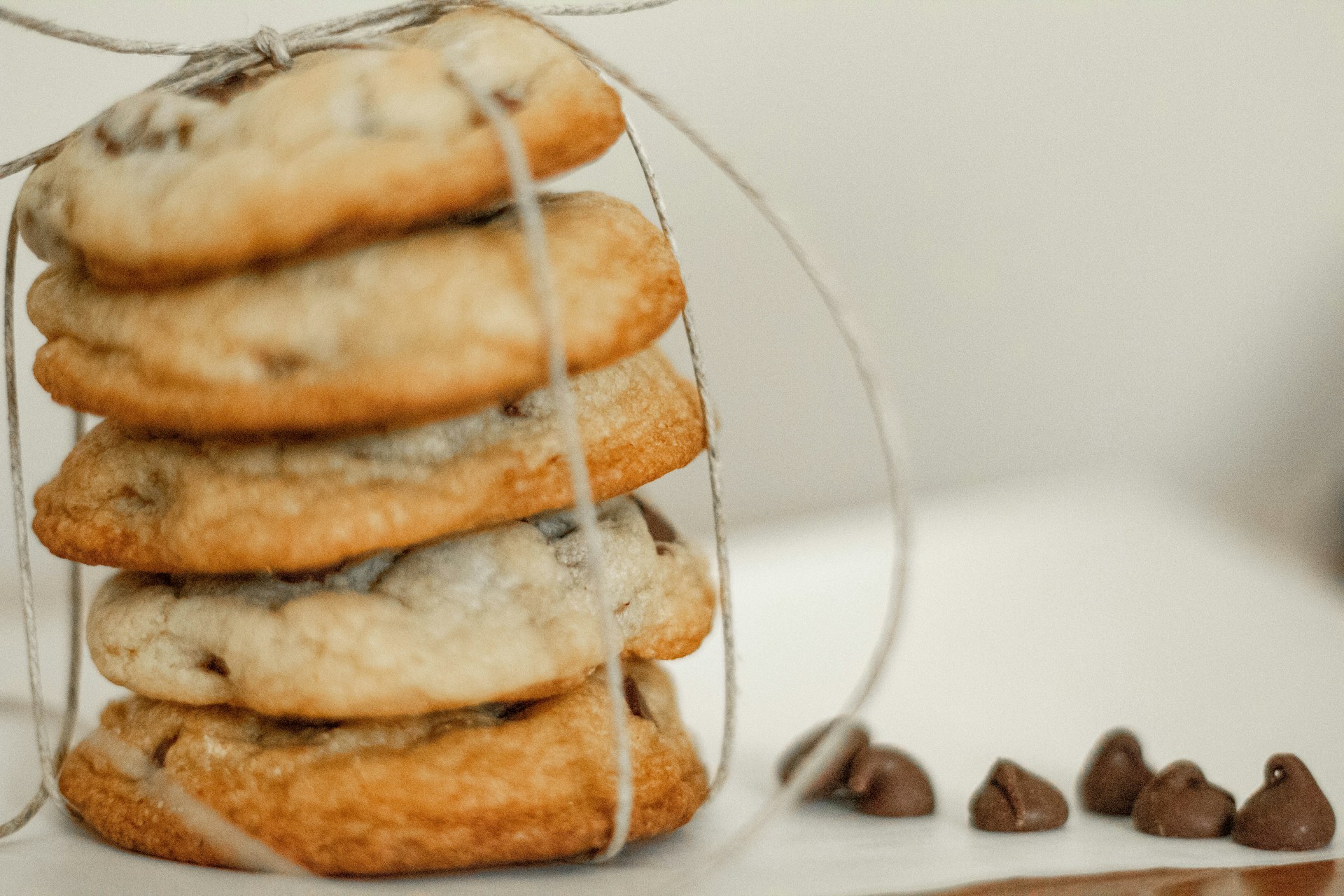
The Florida cottage food law 2026 lets you make and sell certain shelf-stable foods straight from your home kitchen with no license, no permit, and no state inspection as long as your gross sales stay under $250,000 a year. That cap is the highest of any state in the country, which makes Florida one of the easiest places in the U.S. to start a home food business. The rules live in Florida Statute § 500.80, and the Florida Department of Agriculture and Consumer Services (FDACS) oversees them. Here's exactly what you can sell, how to label it, where you're allowed to sell it, and what to do once you're up and running in 2026.
At a Glance
- License required
- None. No permit, registration, or fee
- Annual sales cap
- $250,000 (gross sales)
- Allowed foods
- Breads, cookies, cakes (no cream/custard fillings), candies, jams, jellies, honey, dry mixes (see full list below)
- Where you can sell
- Direct-to-consumer only - home pickup, farmers markets, festivals, roadside stands, online, and delivery
- Shipping
- In-state only (USPS or commercial carrier); no out-of-state shipping
- Regulating agency
- Florida Department of Agriculture and Consumer Services (FDACS)
- Last major law update
- 2021 (the "Home Sweet Home Act," HB 663)
What Is Florida Cottage Food Law 2026?
A cottage food operation in Florida is a person who makes, packages, and sells low-risk, shelf-stable food from their own home kitchen. Under § 500.80, these operations are exempt from the food permitting requirements that apply to commercial food businesses. There's no application to file, no fee to pay, and no health inspector coming to your kitchen, provided you follow the allowed-foods, labeling, and direct-sales rules and stay under the sales cap.
Florida's law has expanded dramatically over the past decade. The original 2011 statute capped sales at just $15,000 a year. A later amendment raised it to $50,000. Then in 2021, the "Home Sweet Home Act" (HB 663) lifted the cap all the way to $250,000 and added the right to sell online and ship within the state. As of the 2025 Florida Statutes, those rules are still current and still the most generous in the nation.
The practical takeaway for 2026: you can bake your first batch, label it correctly, and start selling this week without going through any state licensing process. That low barrier to entry is exactly why Florida's home baking scene has grown so fast, but "no license" doesn't mean "no rules," and the details below are where people get tripped up.
Allowed Foods
Florida allows non-potentially-hazardous (non-TCS) foods, meaning foods that are shelf-stable and don't need refrigeration to stay safe. Common categories include:
- Baked goods - breads, rolls, biscuits, cakes, muffins, pastries, and cookies (without cream, custard, or meat fillings)
- Fruit pies - fruit-filled only
- Candies and confections - fudge, brittle, hard candy, toffee, caramel corn, chocolate-covered nuts
- Jams, jellies, fruit preserves, and fruit butters - high-sugar, high-acid recipes
- Honey and dried fruits or herbs
- Snacks - granola, trail mix, roasted nuts, and nut butters (explicitly allowed)
- Dry goods - spice blends, flavored sugars, and baking mixes
If your product is shelf-stable and not on the prohibited list, it's likely allowed, but when you're on the edge (anything with a moist filling, a dairy component, or an uncertain pH), confirm with FDACS before you sell.
Prohibited Foods
Florida prohibits any food that requires refrigeration to stay safe, because cottage food kitchens aren't inspected for temperature control. Off the table:
- Cream cheese frosting, custards, and cream/custard-filled items
- Meat, poultry, and seafood products
- Fresh eggs and most dairy-based products
- Pumpkin butter and other low-acid canned or bottled goods
- Kombucha and other fermented beverages
- Cannabis- or hemp-infused products
If you want to make any of these, you'll need a permitted commercial kitchen and the appropriate FDACS food establishment license.
Licensing & Registration
This is the part that surprises people: Florida requires nothing. Under § 500.80, a qualifying cottage food operation is exempt from the permitting requirements of § 500.12. There is:
- No license or permit
- No registration with FDACS
- No application fee
- No routine inspection of your home kitchen
FDACS only gets involved if it receives a complaint. You are, however, required to keep documentation of your gross sales and hand it over to FDACS upon request. So track your revenue from day one.
Food safety training is not required by Florida law. It's still smart to take a basic course: you remain legally responsible for the safety of everything you sell, and a credential can reassure customers. An online food handler course from a provider like Learn2Serve runs under $15 and takes about 90 minutes, which is a small investment for peace of mind.
Labeling Requirements
Labeling is where most citations come from, so get this exactly right. Florida Statute § 500.80(3) requires every product to be prepackaged with a label that includes, in order:
- Name and address of your cottage food operation
- Product name
- Ingredients, listed in descending order by weight
- Net weight or volume (in both U.S. and metric units)
- Allergen disclosure following federal labeling standards
- Nutritional information - only if you make a nutritional claim
- The verbatim disclaimer, printed in at least 10-point type in a color that clearly contrasts with the background:
"Made in a cottage food operation that is not subject to Florida's food safety regulations."
That disclaimer must appear word-for-word. Paraphrasing it, shrinking it below 10-point type, or printing it in low-contrast ink are all common reasons operators get flagged. Need a label that's already compliant? Generate one in 2 minutes with our free label generator.
Where You Can Sell
Florida's selling rules are broad, with one hard line: all sales must be direct to the end consumer. You can sell:
- In person from your home, at farmers markets, fairs, festivals, flea markets, roadside stands, community events, and pop-ups
- Online through your own website, social media, or platforms like Etsy
- By phone and mail order
- By in-state shipping via USPS or a commercial carrier (UPS, FedEx), and by personal delivery
What you cannot do:
- Wholesale, consignment, or resale. Section 500.80 expressly bars selling, offering for sale, or delivering cottage food products at wholesale. You can't sell to a grocery store, restaurant, or any retailer to resell.
- Ship out of state. Interstate shipping pulls you into FDA jurisdiction and isn't authorized under the cottage food exemption. Keep deliveries inside Florida.
- Use third-party delivery apps with confidence. The statute allows direct delivery but doesn't specifically bless DoorDash, Uber Eats, or similar marketplaces. Until FDACS weighs in, personal delivery is the safer reading.
One more detail people miss: § 500.80(4) requires you to store your products on the premises of your cottage food operation, not in a separate warehouse or storage unit.
Sales Limits & What Happens If You Exceed Them
The cap is $250,000 in gross annual sales - that's total revenue, not profit, across every product and every selling location combined. The number of people helping you run the operation doesn't change it.
Florida cottage food sales limit | Detail |
|---|---|
Annual cap | $250,000 gross sales |
Counts toward cap | All cottage food sales, all products, all locations |
Profit vs. revenue | Gross revenue, not net profit |
Documentation | Must be provided to FDACS on request |
Cross $250,000 and you lose the exemption. At that point you're expected to move into a permitted commercial kitchen and obtain a standard FDACS food establishment license before continuing at that scale. If you're approaching the cap, talk to FDACS about the transition before you blow past it, not after.
After You Verify Compliance: Your Next 4 Steps
Confirming you're legal is Step 1. Here's what most Florida home bakers do next.
1. Form an LLC. You can operate as a sole proprietor, but that leaves your personal assets — your home, your savings — exposed if a customer ever claims they got sick. An LLC creates a legal wall between your business and your personal finances, which matters more when you're selling food. It also keeps your home address off public business records, since the LLC's registered agent address is what gets listed instead of yours. We recommend ZenBusiness. It's an affordable, compliant way to file in Florida and includes registered-agent service that preserves your home-address privacy.
2. Get product liability insurance. Cottage food law gives you regulatory protection — it doesn't protect you from a civil lawsuit. If a customer has an allergic reaction or gets sick, your homeowners policy almost certainly won't cover a home business. FLIP (Food Liability Insurance Program) specializes in home-based food businesses, with policies starting around $299/year.
3. Complete food safety training. Florida doesn't require it, but you're still liable for what you make. A short online food handler course from Learn2Serve costs under $15 and builds customer trust.
4. Set up your kitchen and labels. A reliable kitchen scale, a thermometer, and a label printer cover most of what you need. See our Cottage Food Starter Equipment Guide for specific recommendations that meet compliance requirements.
Common Mistakes
- Leaving the disclaimer off the label. The "Made in a cottage food operation…" statement feels redundant, but omitting it, or printing it too small or in low-contrast ink, is the most common reason for a citation.
- Selling wholesale by accident. Letting a local café buy a dozen of your cookies to resell crosses the wholesale line, even if it feels like a friendly favor. All sales must go directly to the person eating the food.
- Shipping across state lines. A customer in Georgia orders your jam, you drop it in the mail, and you've now stepped into FDA territory. Keep shipping inside Florida.
- Not tracking gross sales. You don't register with FDACS, so it's tempting to skip record-keeping until FDACS requests documentation and you can't produce it. Log every sale from the start.
- Assuming "no license" means "no rules." The labeling, allowed-foods, and direct-sales requirements are mandatory even though there's no permit. Skipping them is what gets operations shut down.
People Also Ask
Do I need a license to sell baked goods from home in Florida?
What is the Florida cottage food sales limit?
Can I sell cottage food online in Florida?
Does Florida require a food handler's license for cottage food?
What foods are not allowed under Florida cottage food law?
Keep Reading
- Florida cottage food law overview - quick-reference state page
- Georgia Cottage Food Law 2026 (neighboring state)
- Alabama Cottage Food Law 2026 (neighboring state)
- Do I Need an LLC for My Cottage Food Business? The liability question, explained
- Free Cottage Food Label Generator - Build a compliant label in two minutes
Final Thoughts
If Florida is your state, you're starting from one of the friendliest positions in the country: no license, no fee, no inspection, and room to grow a real business up to a quarter-million dollars a year. Your next move is simple. This week, write your label, including your name and address, product name, ingredients by weight, net weight, allergens, and that exact disclaimer in 10-point contrasting type. Confirm your recipe is on the allowed list. Once those two things are squared away, you can legally sell from your kitchen.
Not sure whether your specific product qualifies? Run it through our AI Compliance Checker for an instant read, then grab a ready-made label from our Templates page and start selling.